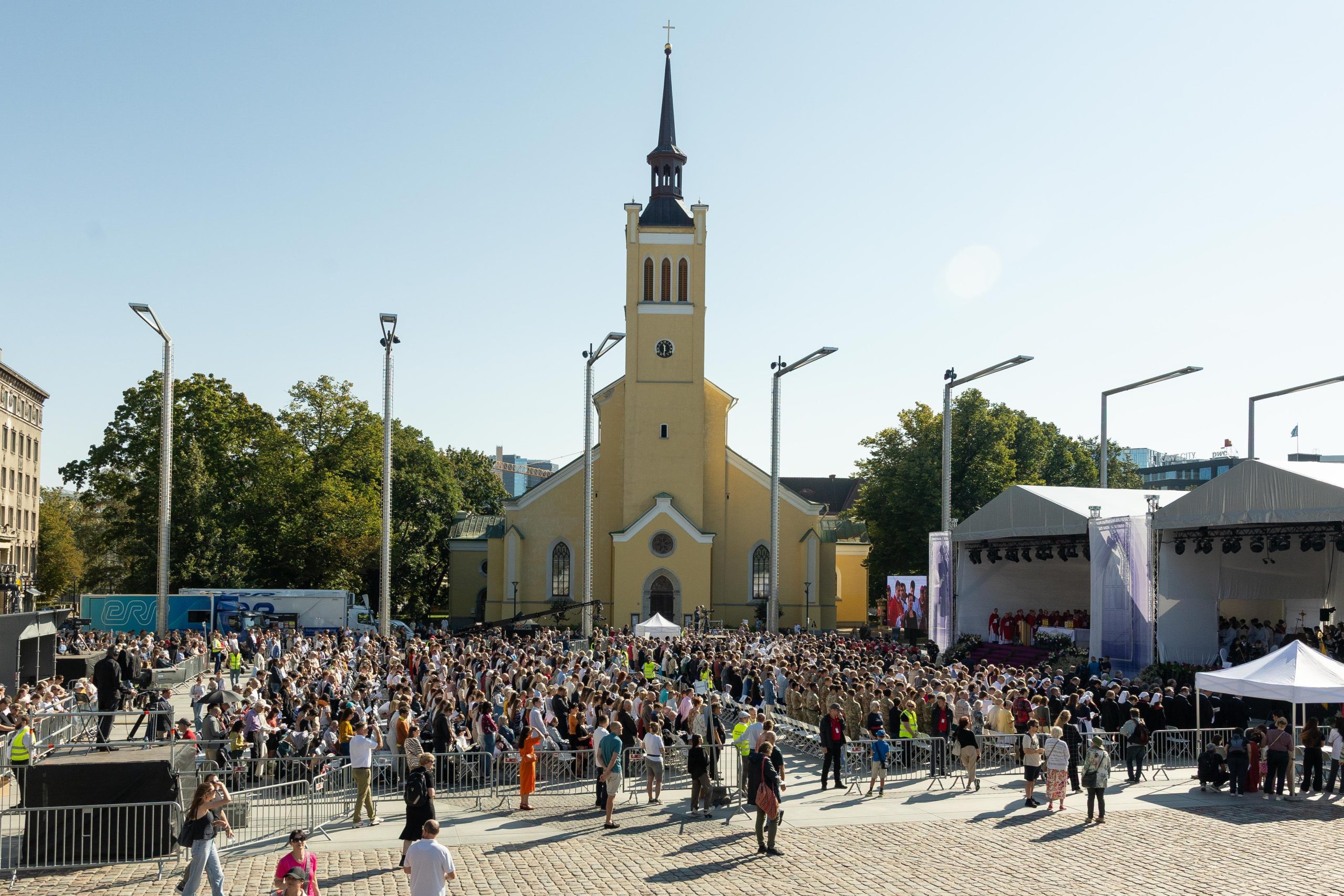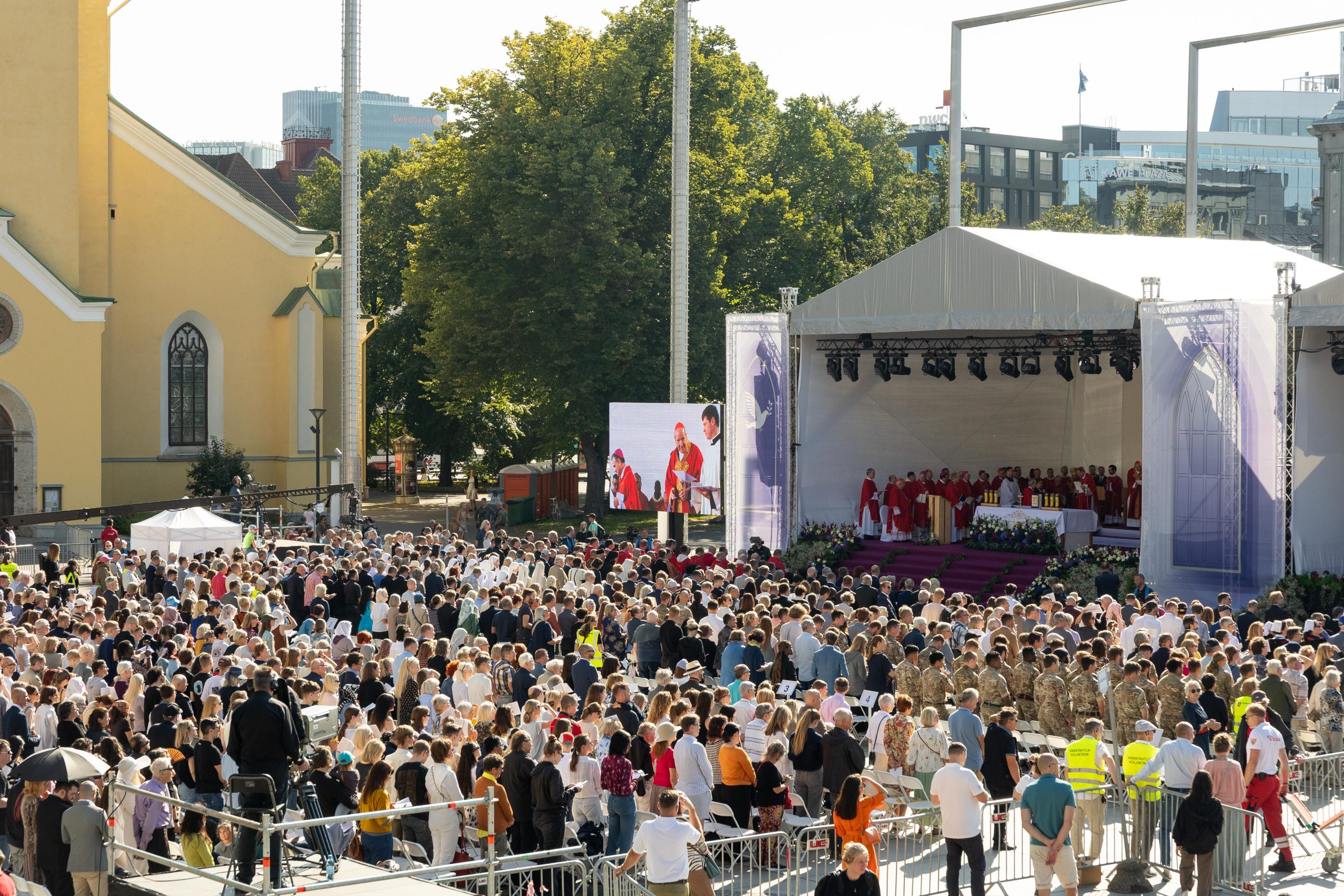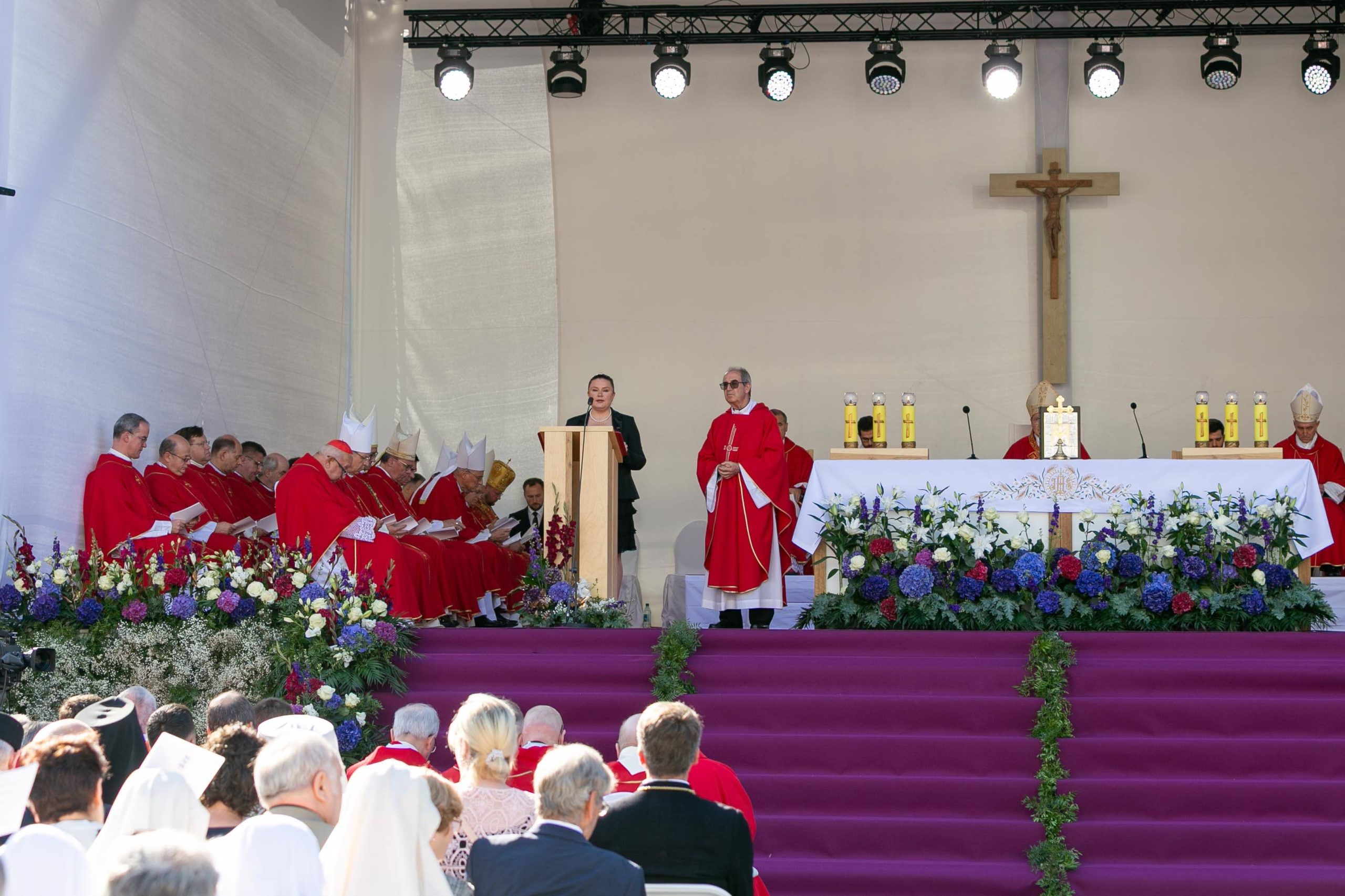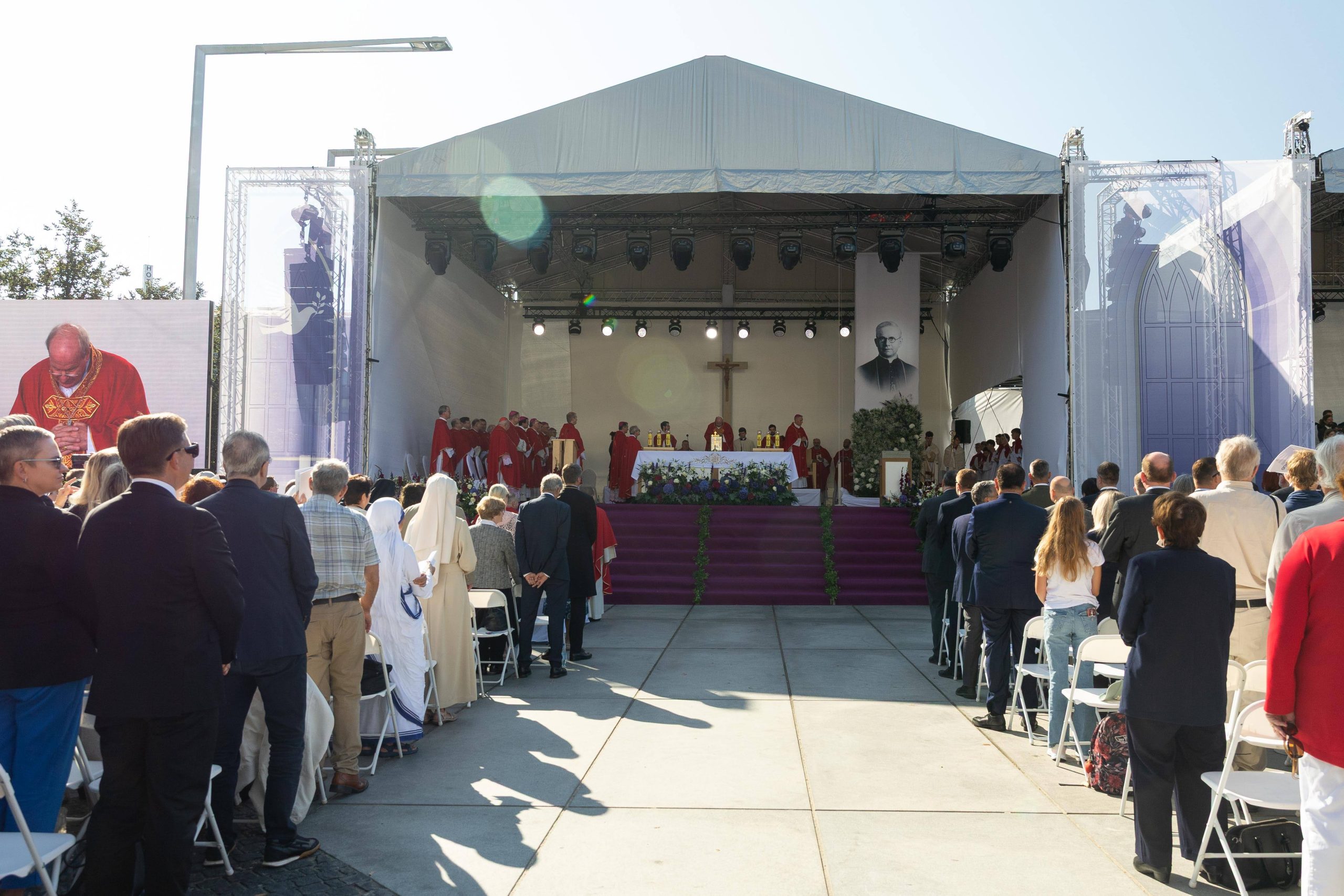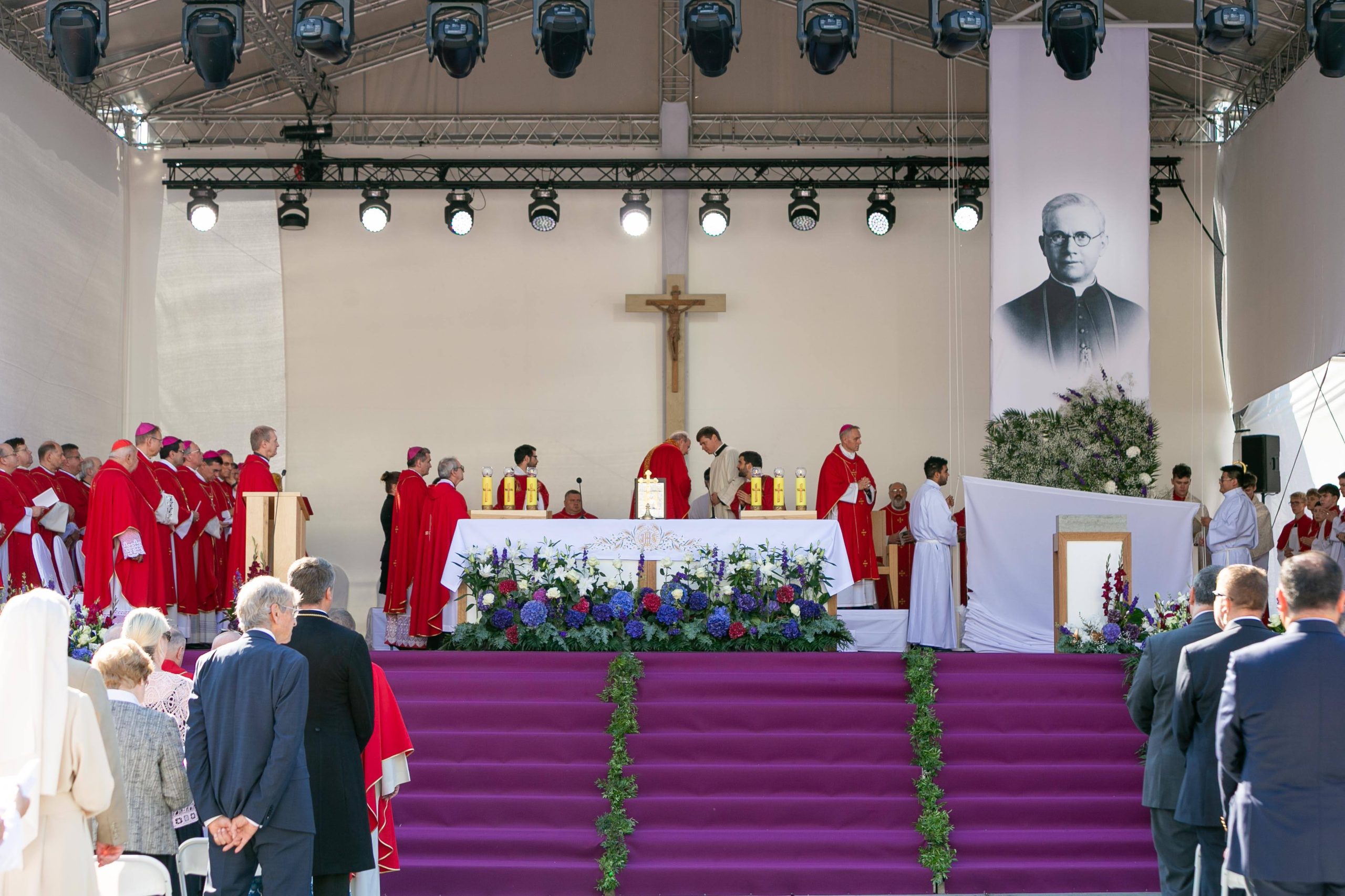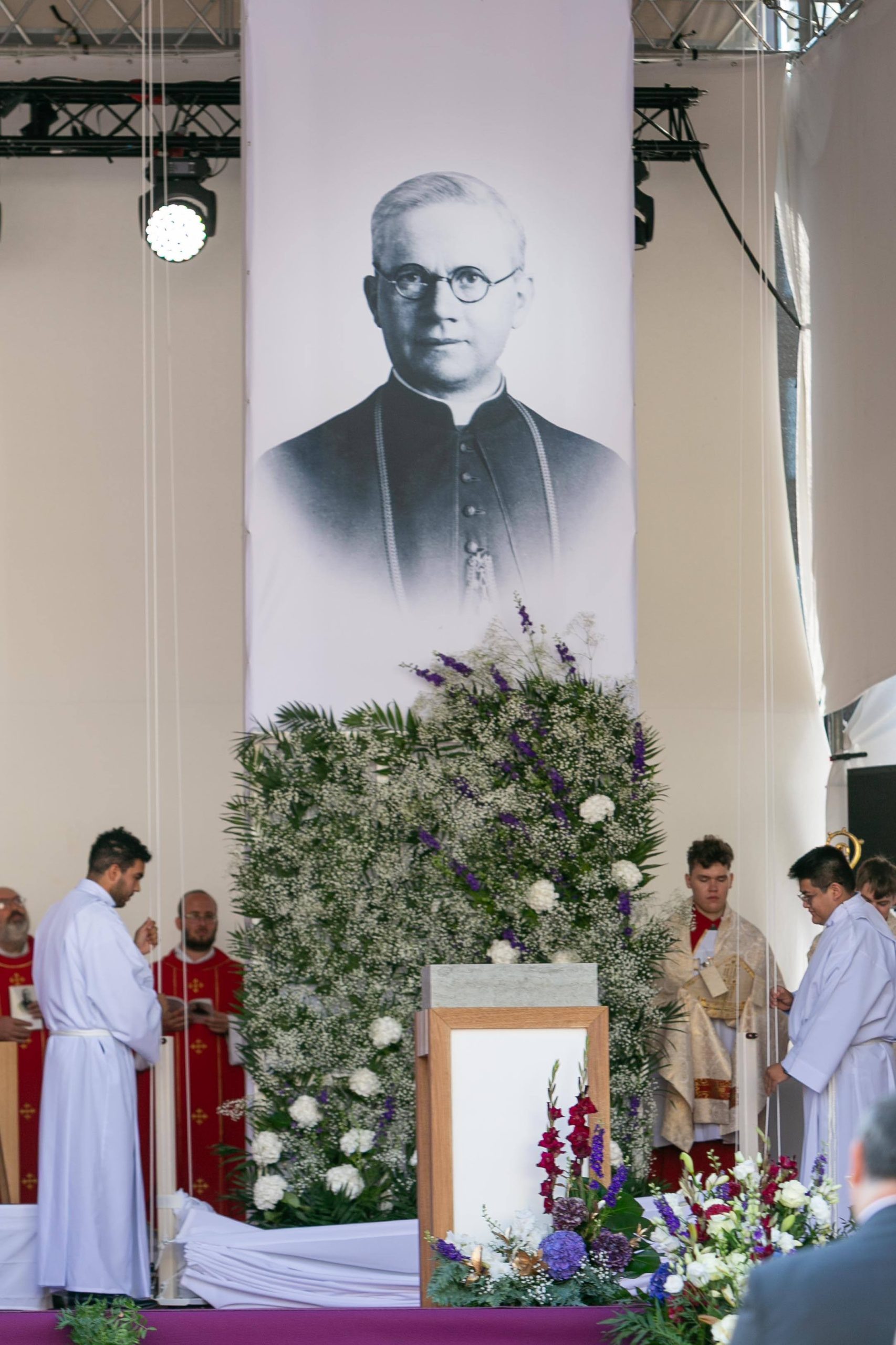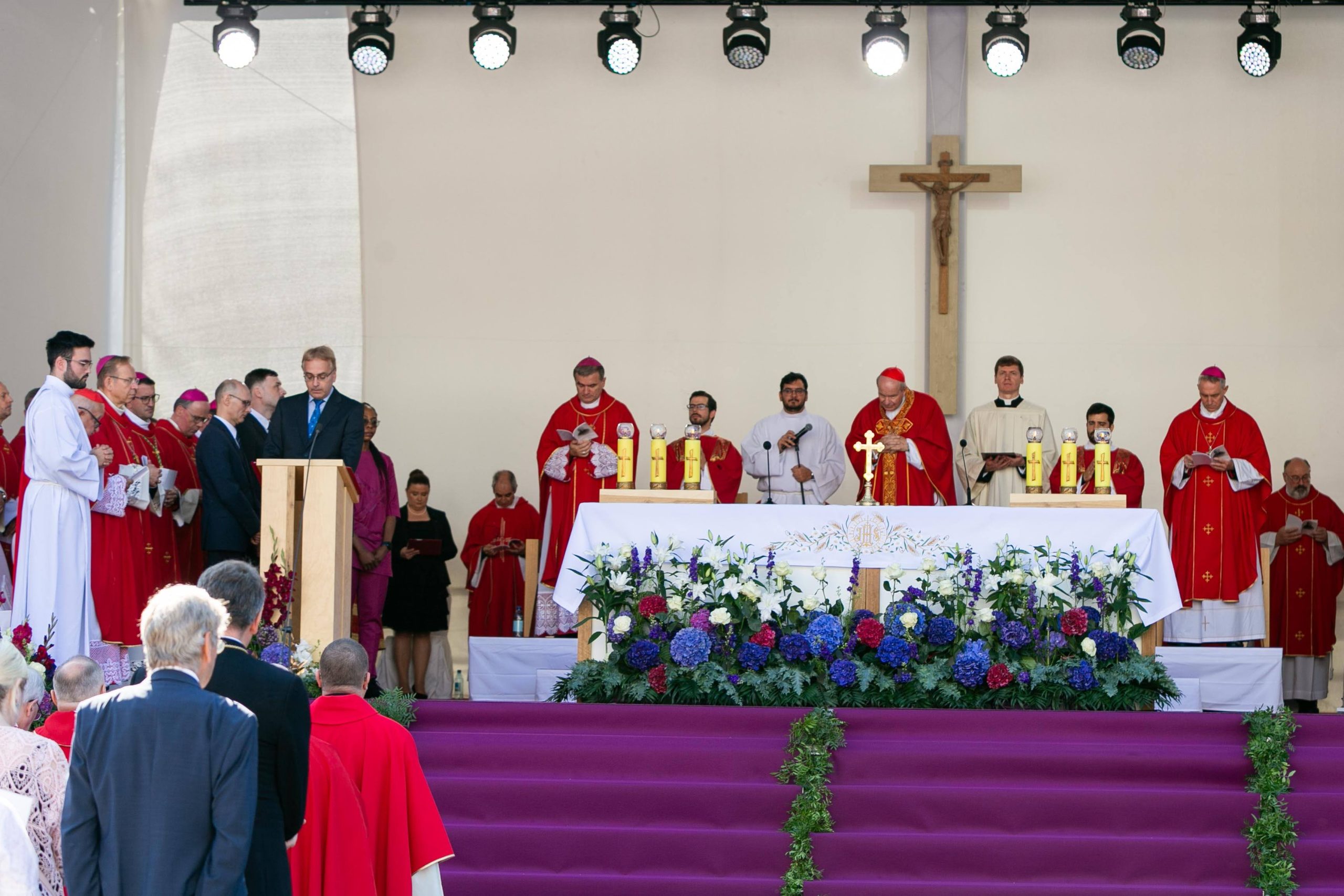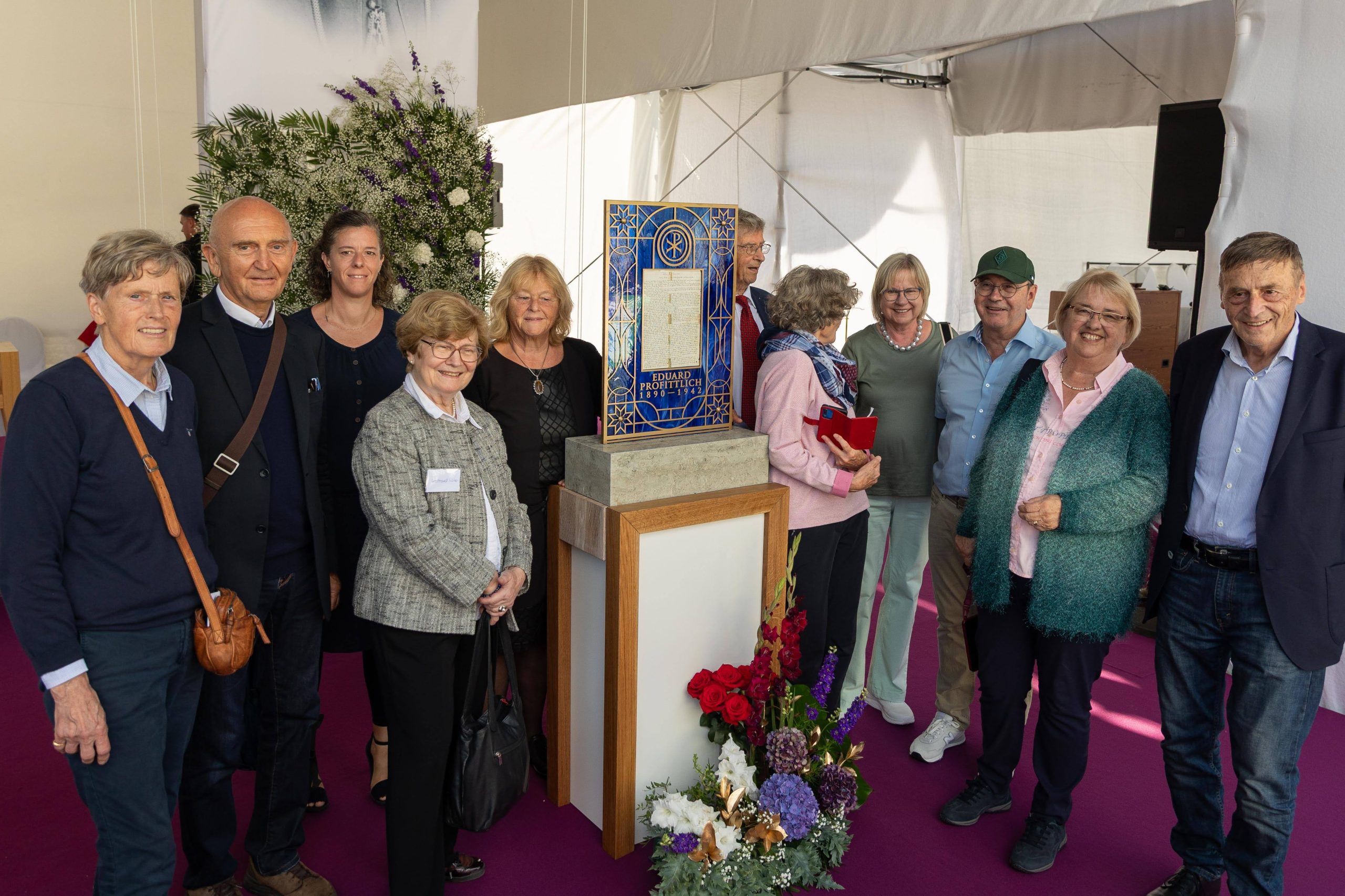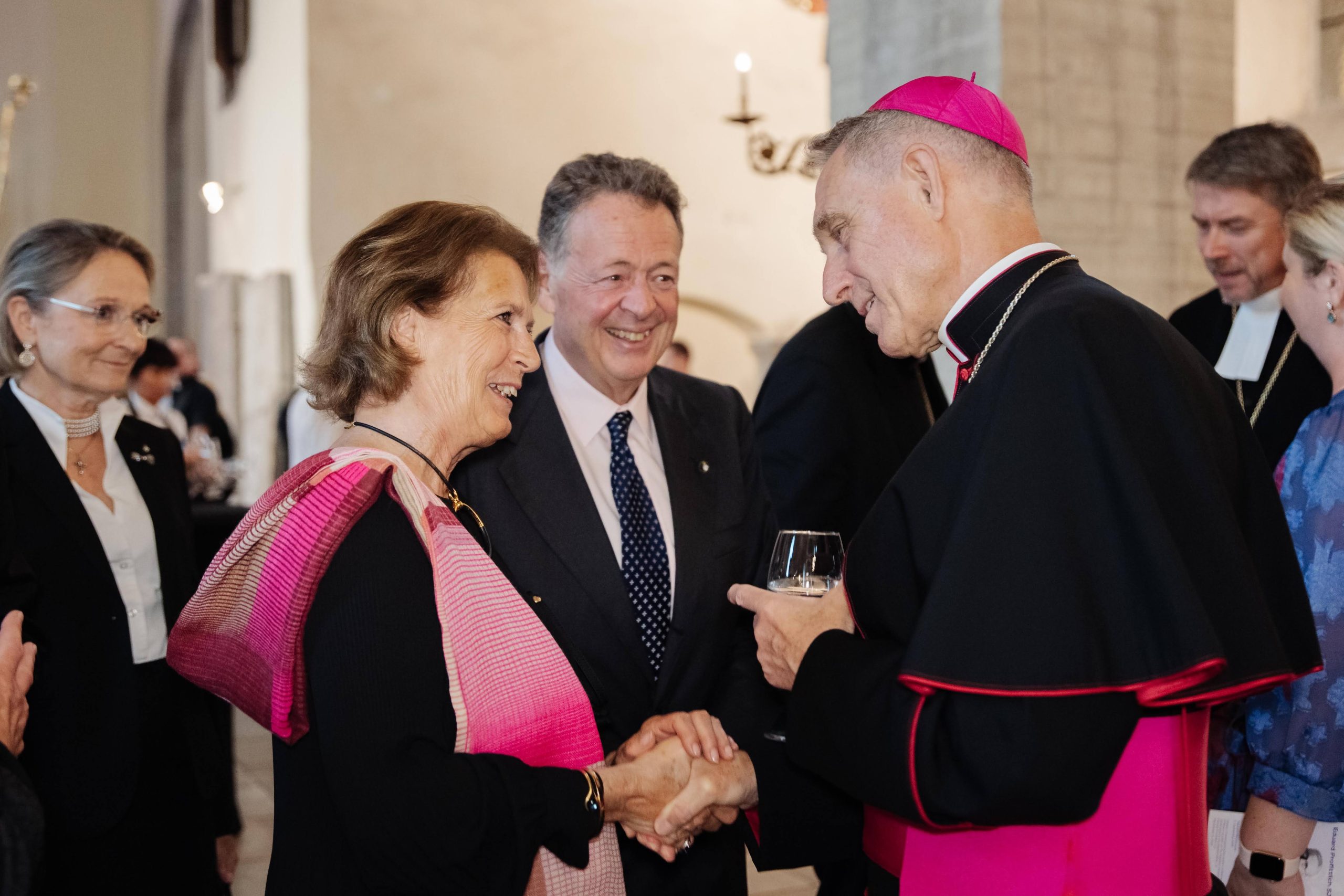
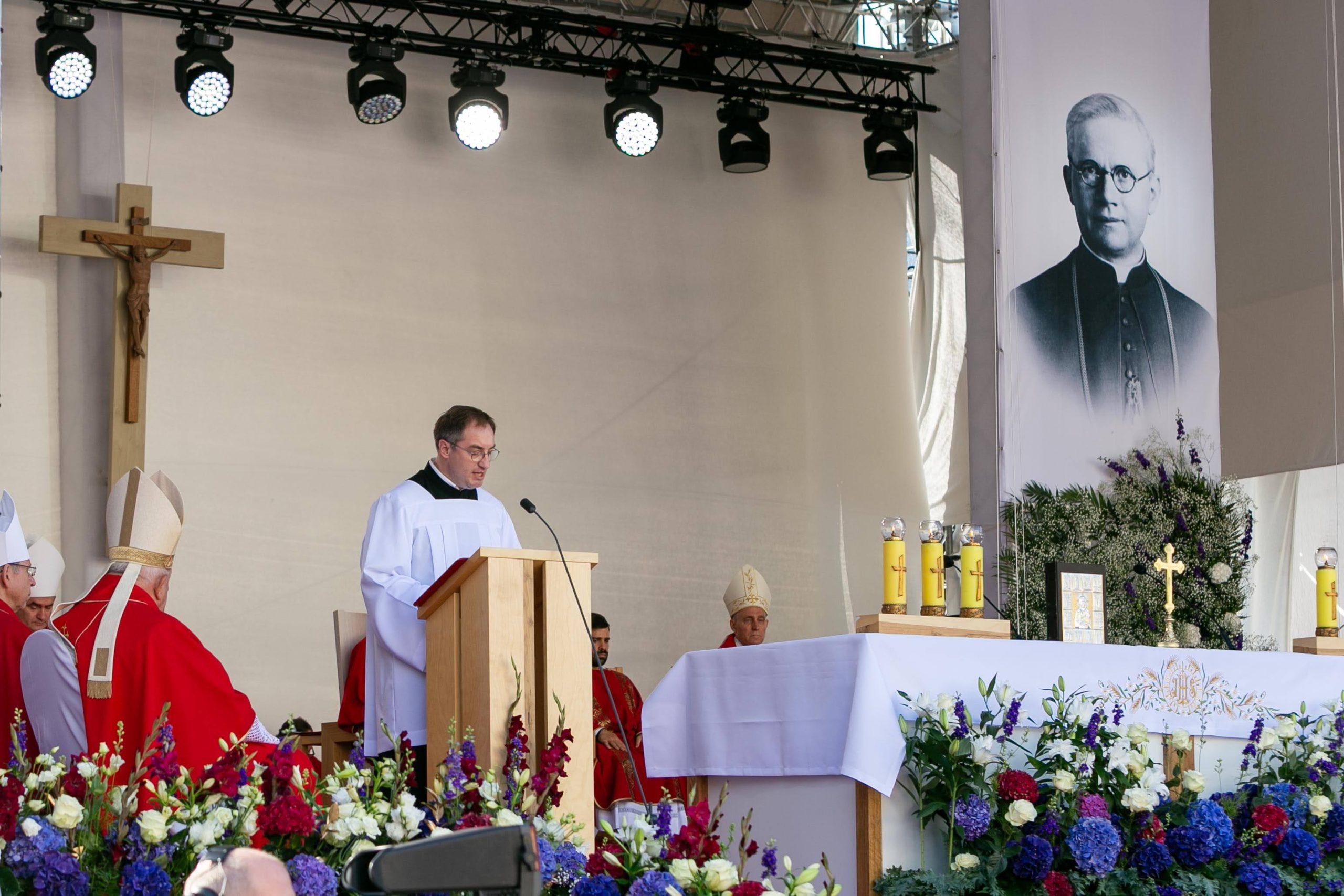
The Beatification Mass of Archbishop Eduard Profittlich, S.J. (1890–1942) took place in Tallinn’s Freedom Square on Saturday, a historic event for Estonia and its Catholic community.
The beatification is the first of its kind in the country and follows its approval by the late Pope Francis in December last year, officially recognizing Archbishop Profittlich as a martyr.
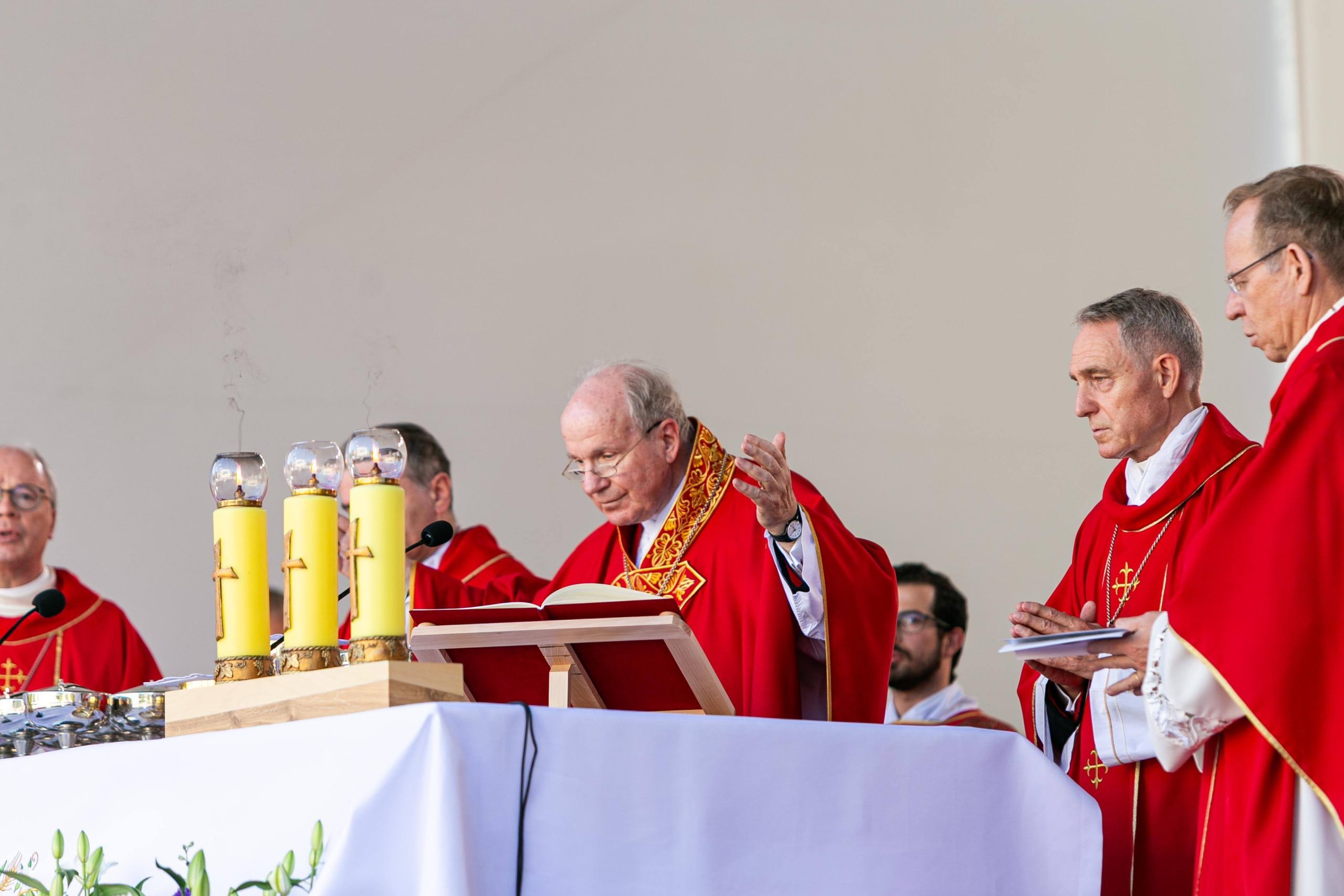
Cardinal Christoph Schönborn of Vienna performed the beatification as the Pope’s representative, Cardinal Stanislaw Dziwisz of Krakow, Archbishop Georg Gänswein, Apostolic Nuncio to the Baltic States, Philippe Jourdan, Bishop of Tallinn, and Stephan Ackermann, Bishop of Trier, all joined him in saying mass, while the choir of the St. Peter and St. Paul Cathedral in Tallinn sung, conducted by Pille Raitmaa and accompanied by Mari Järvi.
On the day the weather turned out warm and sunny in the capital too.
Born in Germany, Eduard Profittlich relocated to independent Estonia during the 1930s. He took Estonian citizenship and was appointed apostolic administrator of Estonia, later ordained archbishop.
With the first Soviet occupation in 1940, Archbishop Profittlich remained with his flock, rather than fleeing. The following year, Soviet authorities arrested him, accusing him of being an “agent of the Vatican.” He died on February 22, 1942, in Kirov Prison in Russia, having borne witness to his faith until the very end.
Present day head of the Catholic Church in Estonia Bishop Philippe Jourdan said Profittlich’s martyrdom stands as a powerful testament to faith, courage and love — virtues that transcend nationality, language and politics.
The beatification of Archbishop Eduard Profittlich marks a historic milestone for the Catholic Church in Estonia and for the wider Church in Europe. Recognized as a martyr of the 20th century, he stands as a witness to faithfulness under persecution and as a symbol of spiritual resilience amid totalitarian oppression.
Eduard Profittlich (1890–1942) was a German-born Jesuit who became Apostolic Administrator of Estonia in 1931. He later assumed leadership of the Catholic Church in Estonia during a period of profound political upheaval, including the Soviet occupation in 1940. Despite having the opportunity to leave Estonia as Soviet repression intensified, Archbishop Profittlich chose to remain with his faithful. In 1941 he was arrested by Soviet authorities, accused of anti-Soviet activity and espionage. He died in 1942 in a Soviet prison in Kirov, condemned for his fidelity to the Church and to his pastoral mission.
His death has long been regarded by the faithful as martyrdom in odium fidei (in hatred of the faith).The cause for beatification was formally opened decades after Estonia regained independence. The diocesan phase collected extensive historical documentation, witness testimonies, and archival evidence demonstrating that Archbishop Profittlich accepted imprisonment and death out of fidelity to Christ and the Church.
The case was examined by the Dicastery for the Causes of Saints in Rome. The recognition of his martyrdom eliminated the need for a miracle for beatification, as is customary in cases of martyrdom.
Pope Francis formally recognized his martyrdom, clearing the way for beatification.
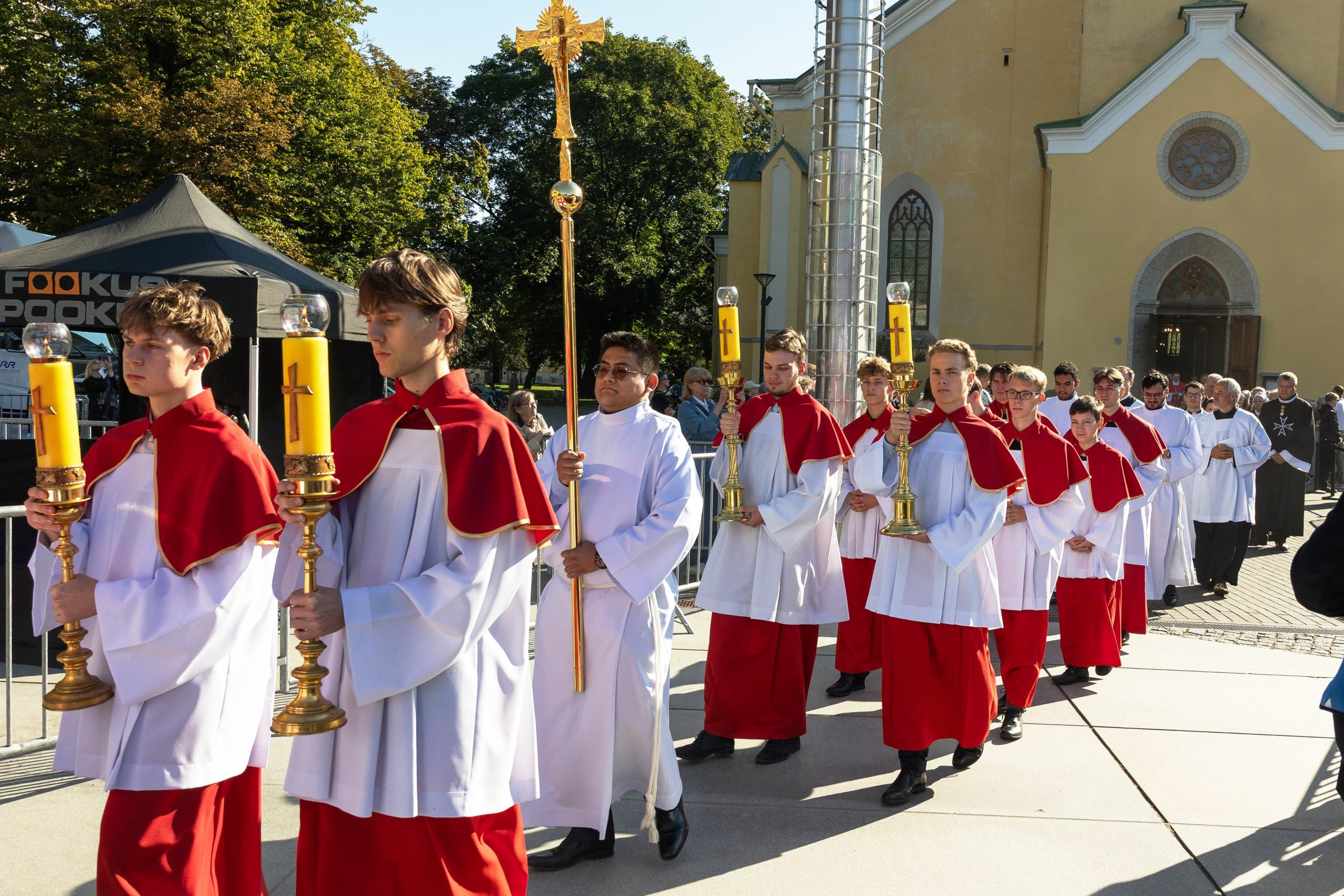
The beatification ceremony took place in Estonia, marking the first beatification connected directly to the local Church’s history. It was celebrated with solemn liturgy, attended by clergy, civil representatives, and faithful from Estonia and abroad.
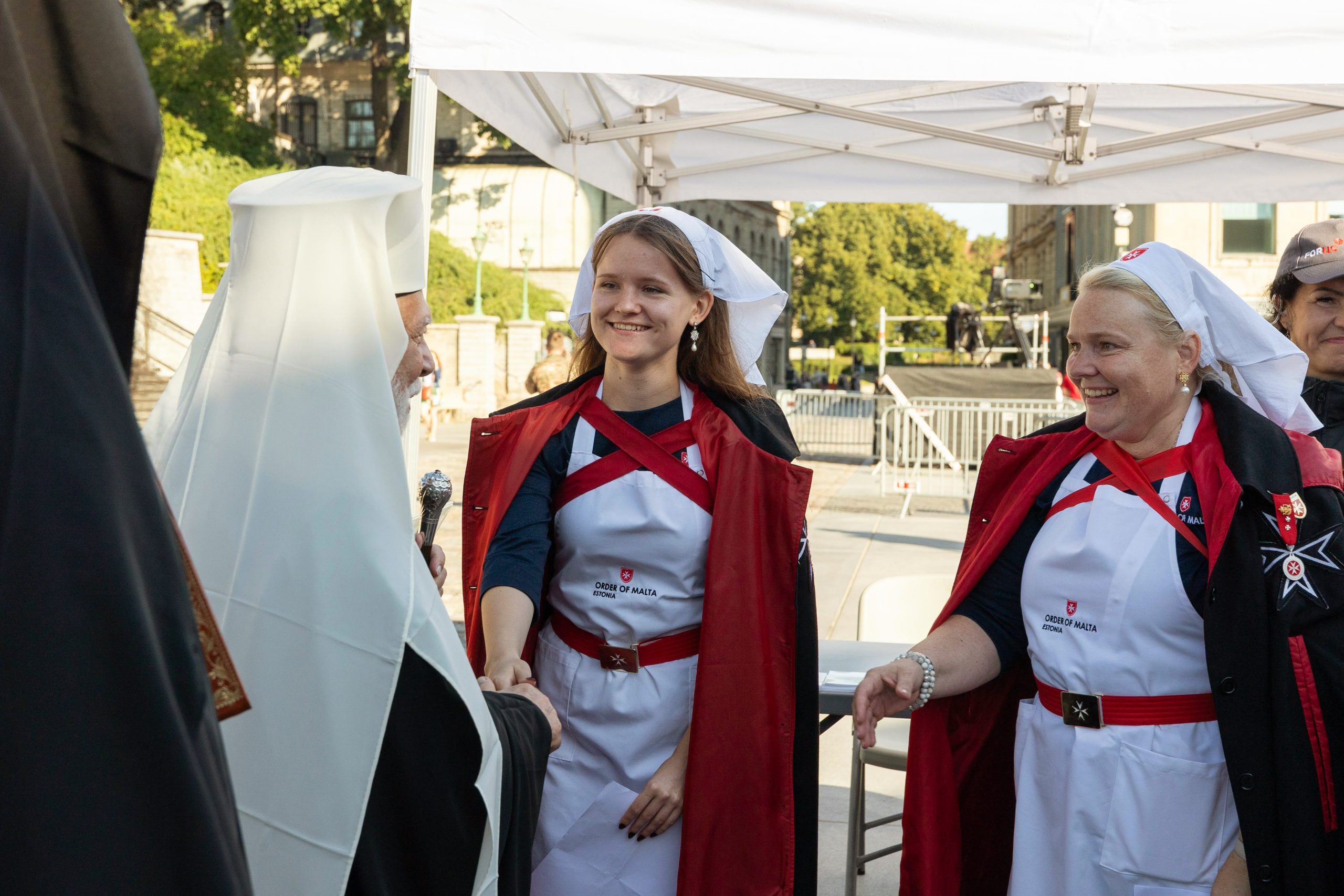
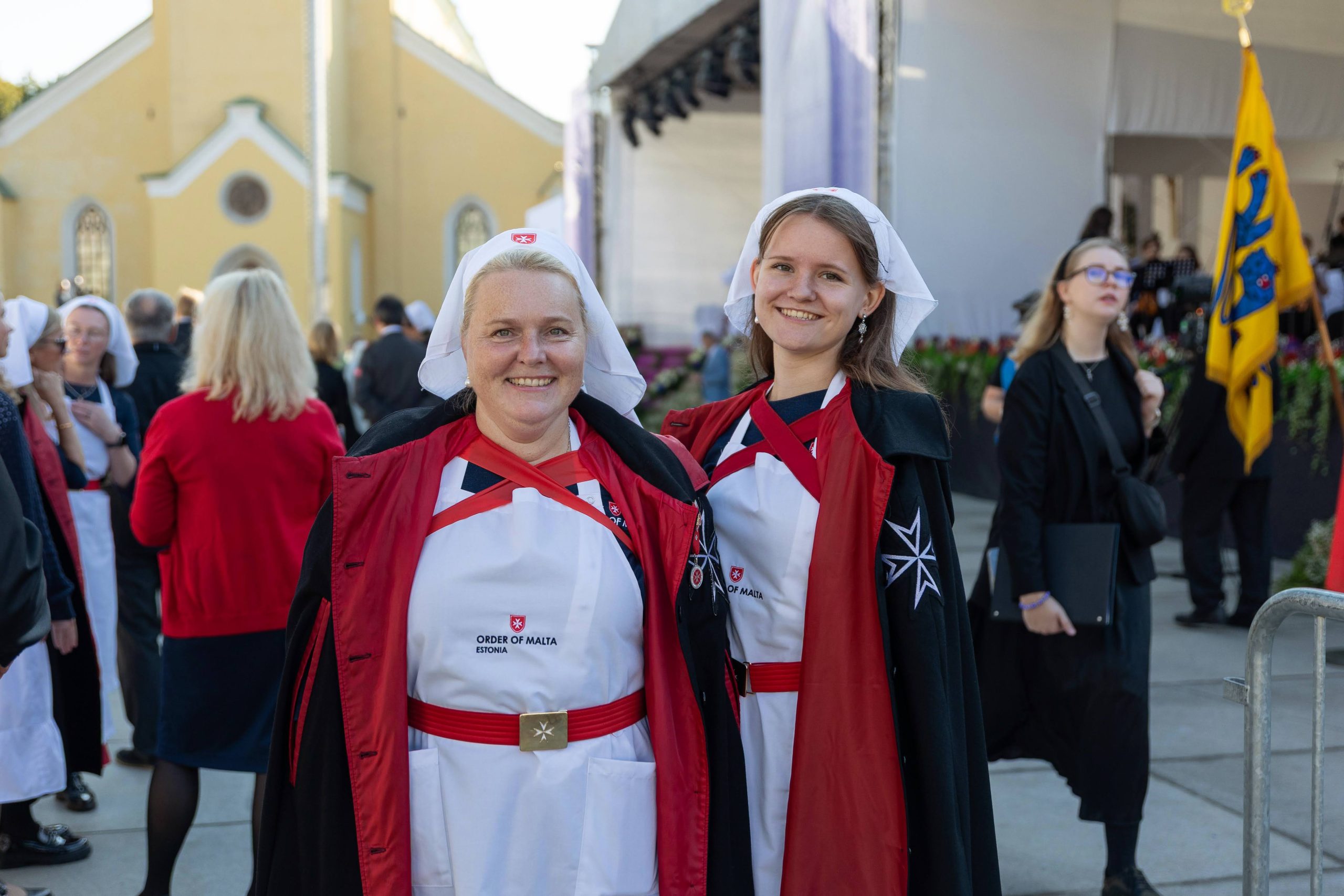
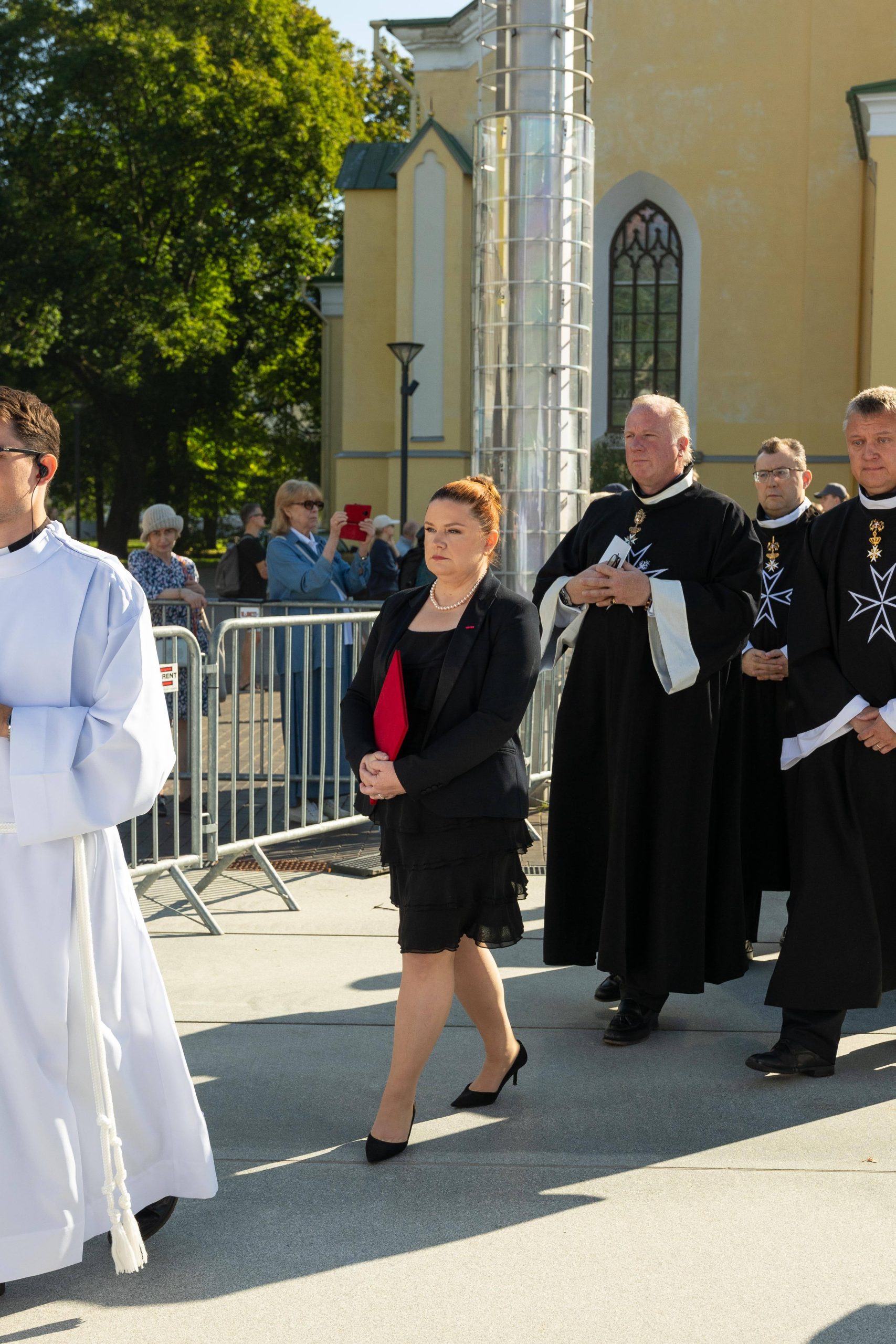
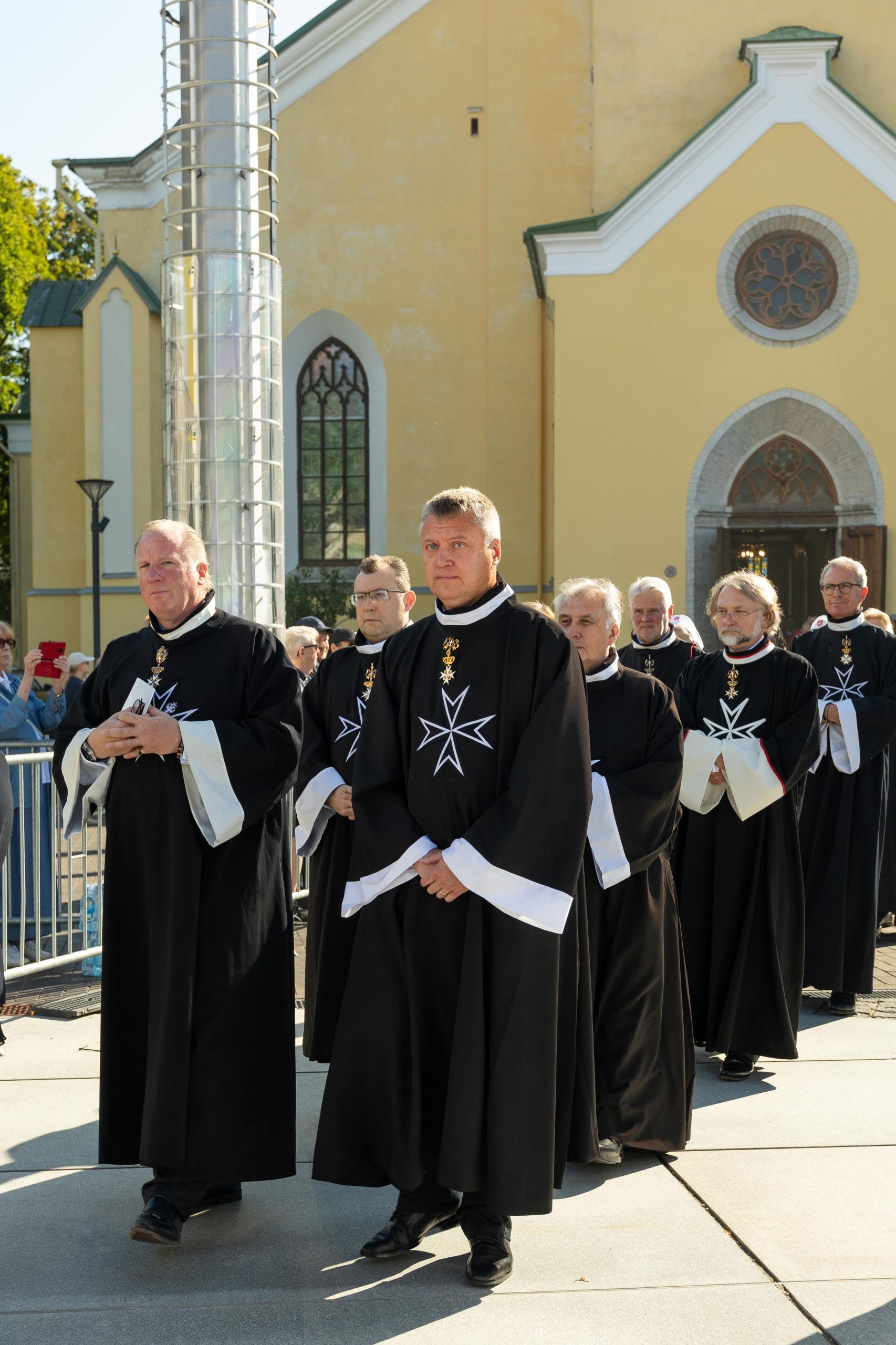
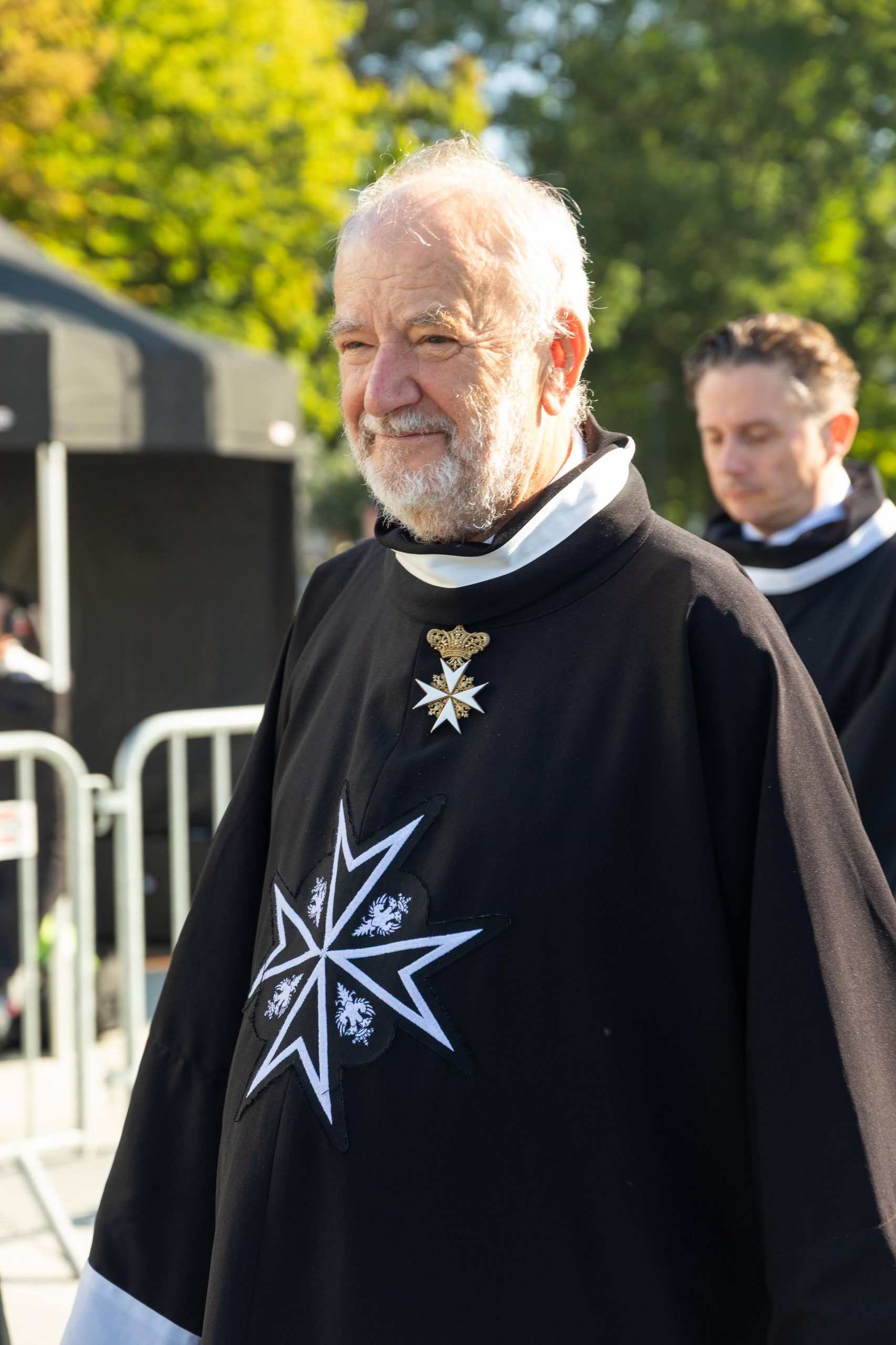
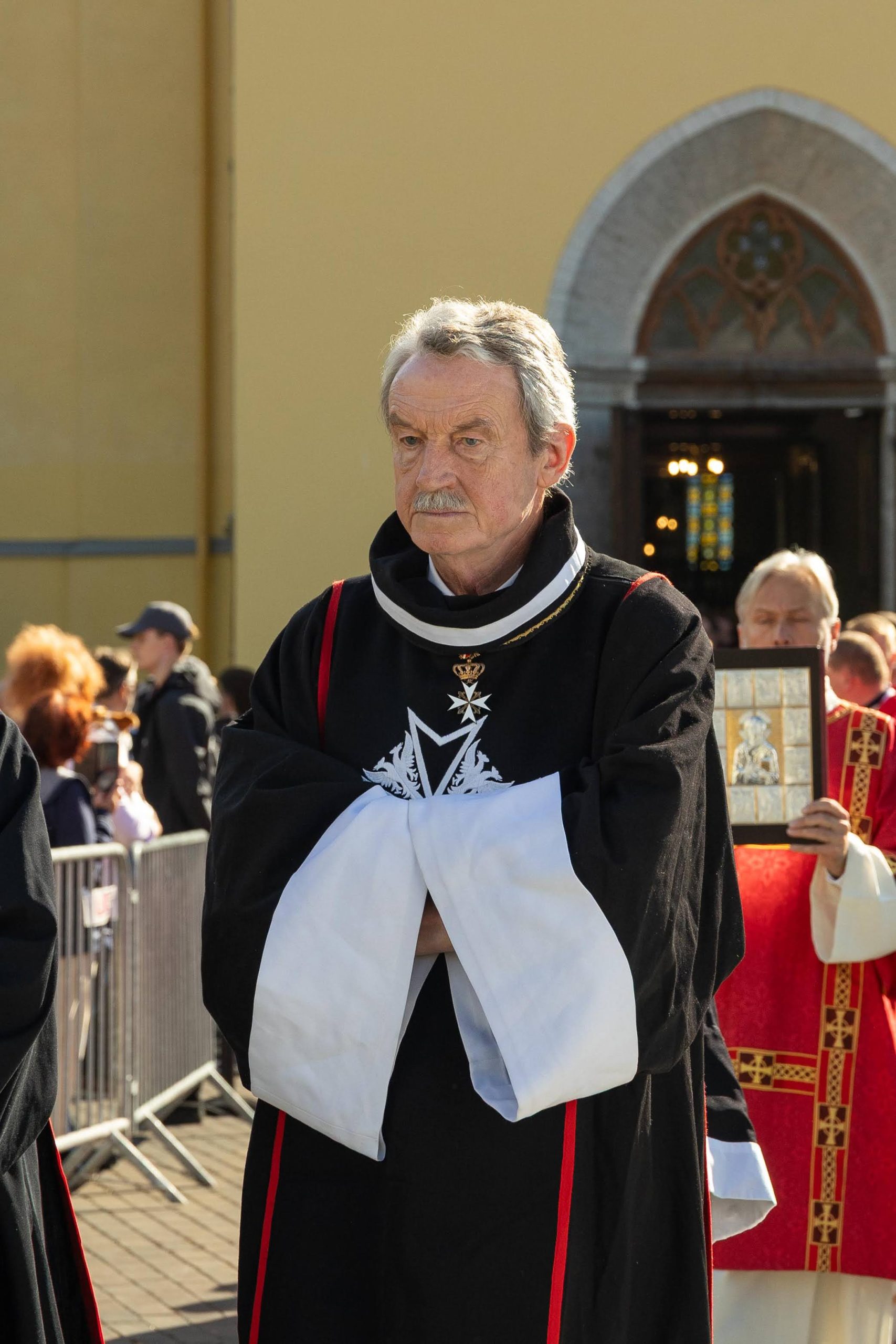
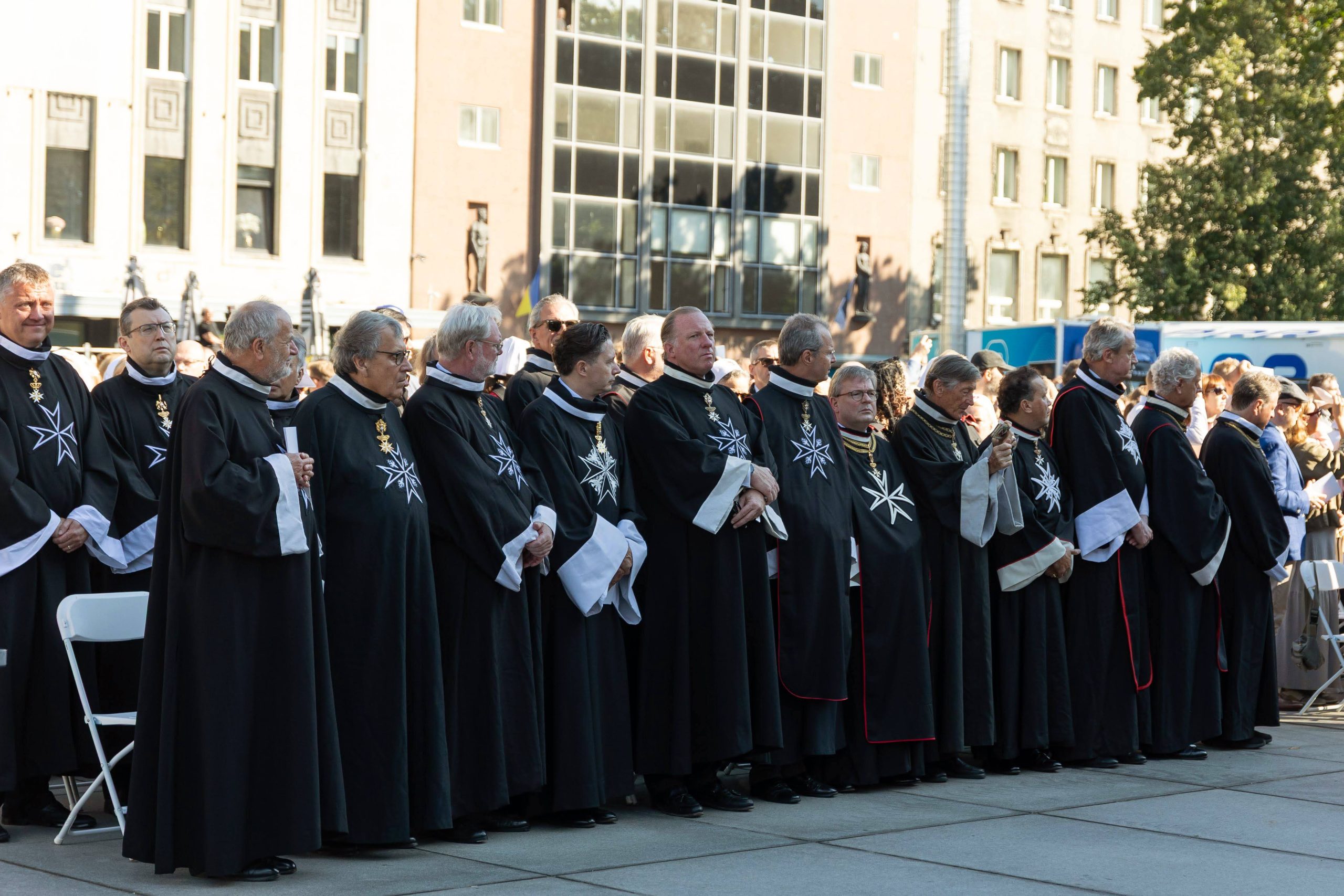
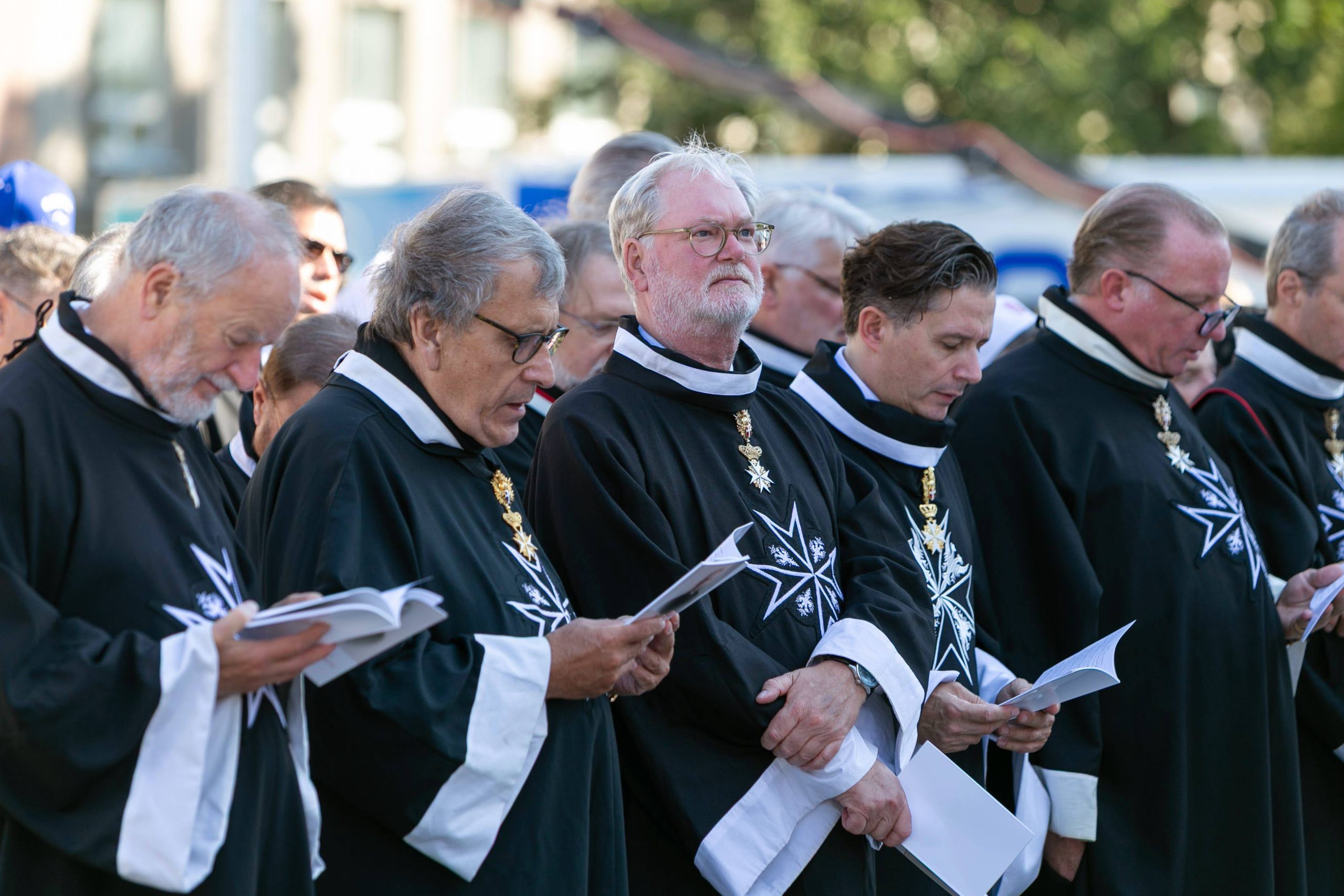
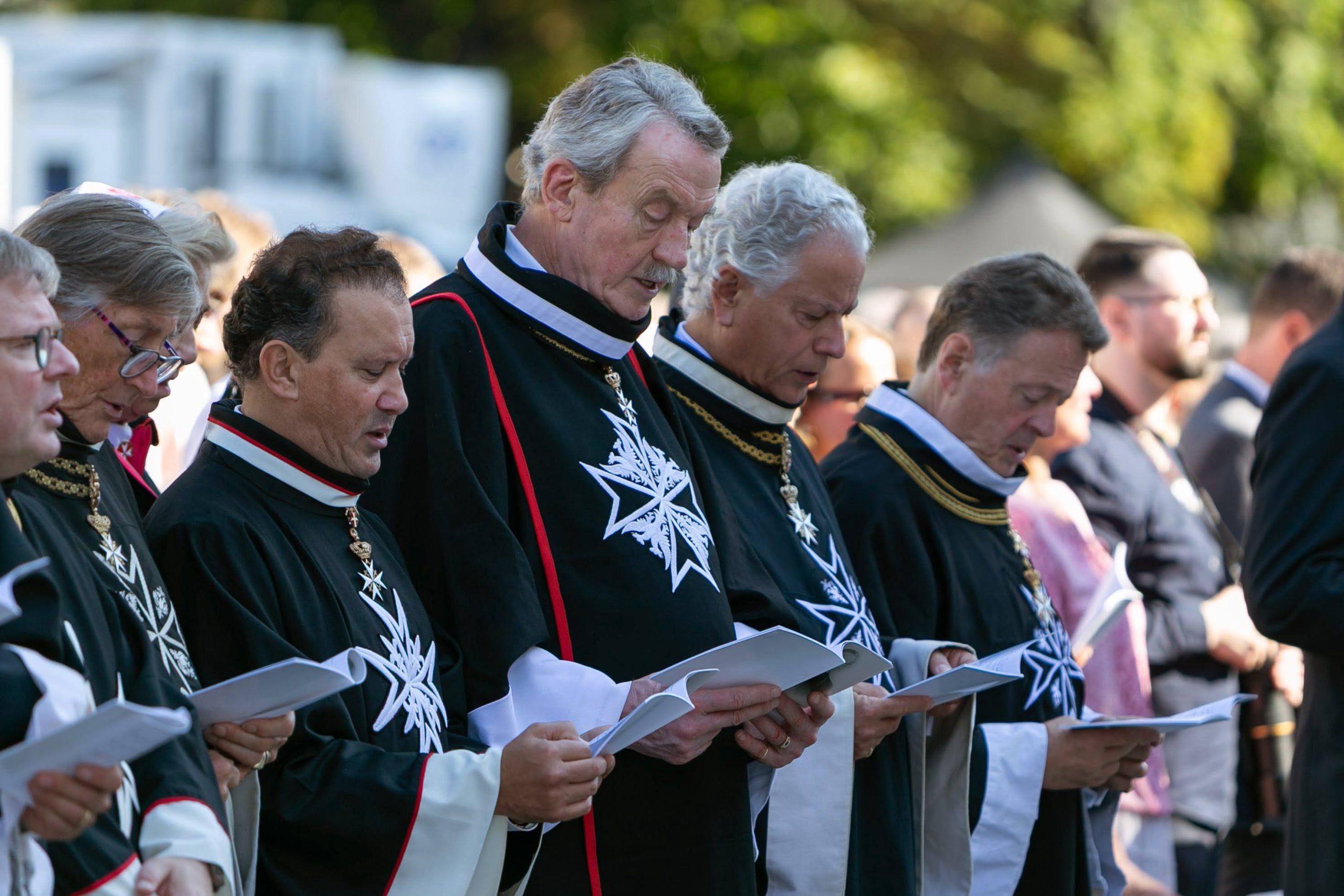
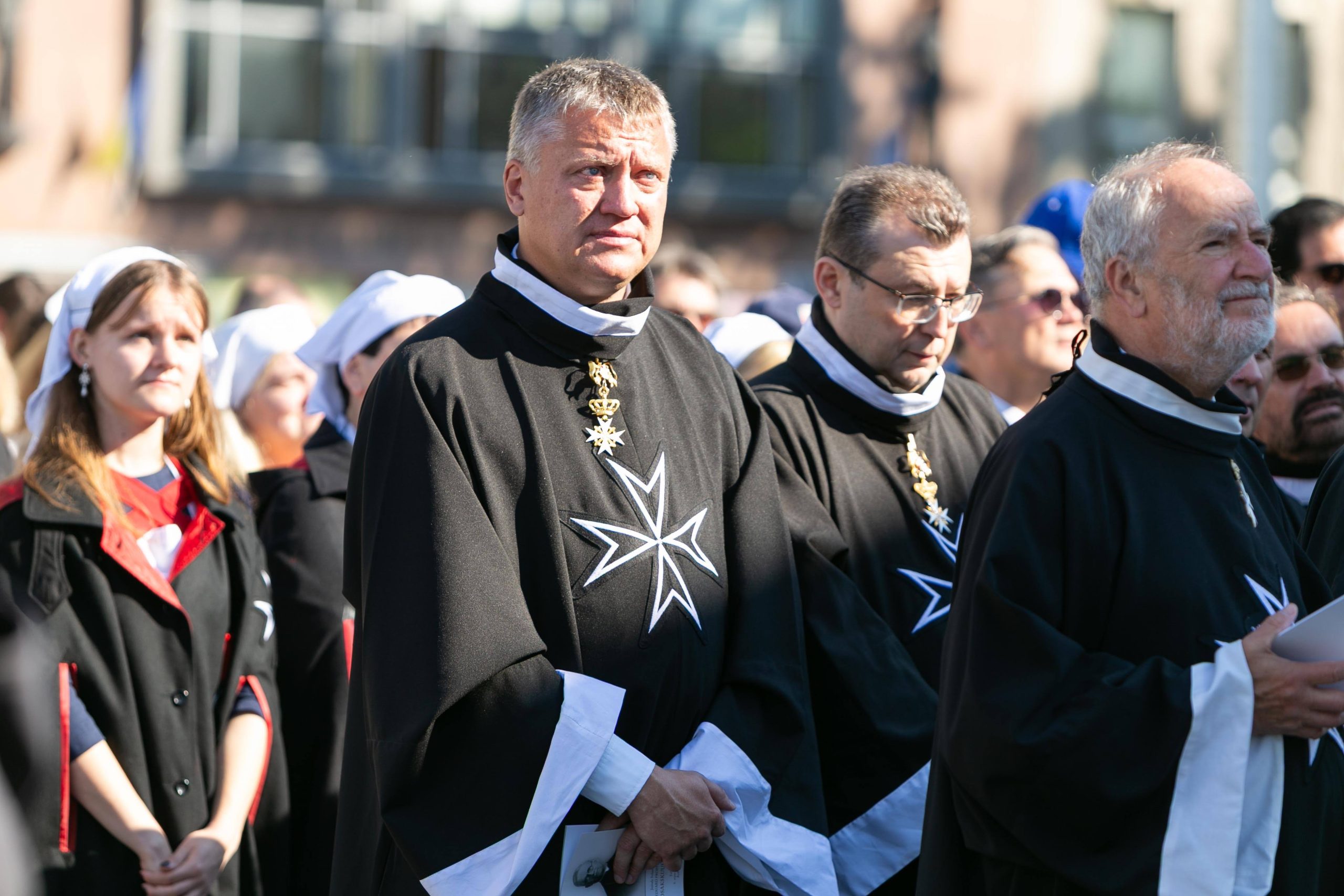
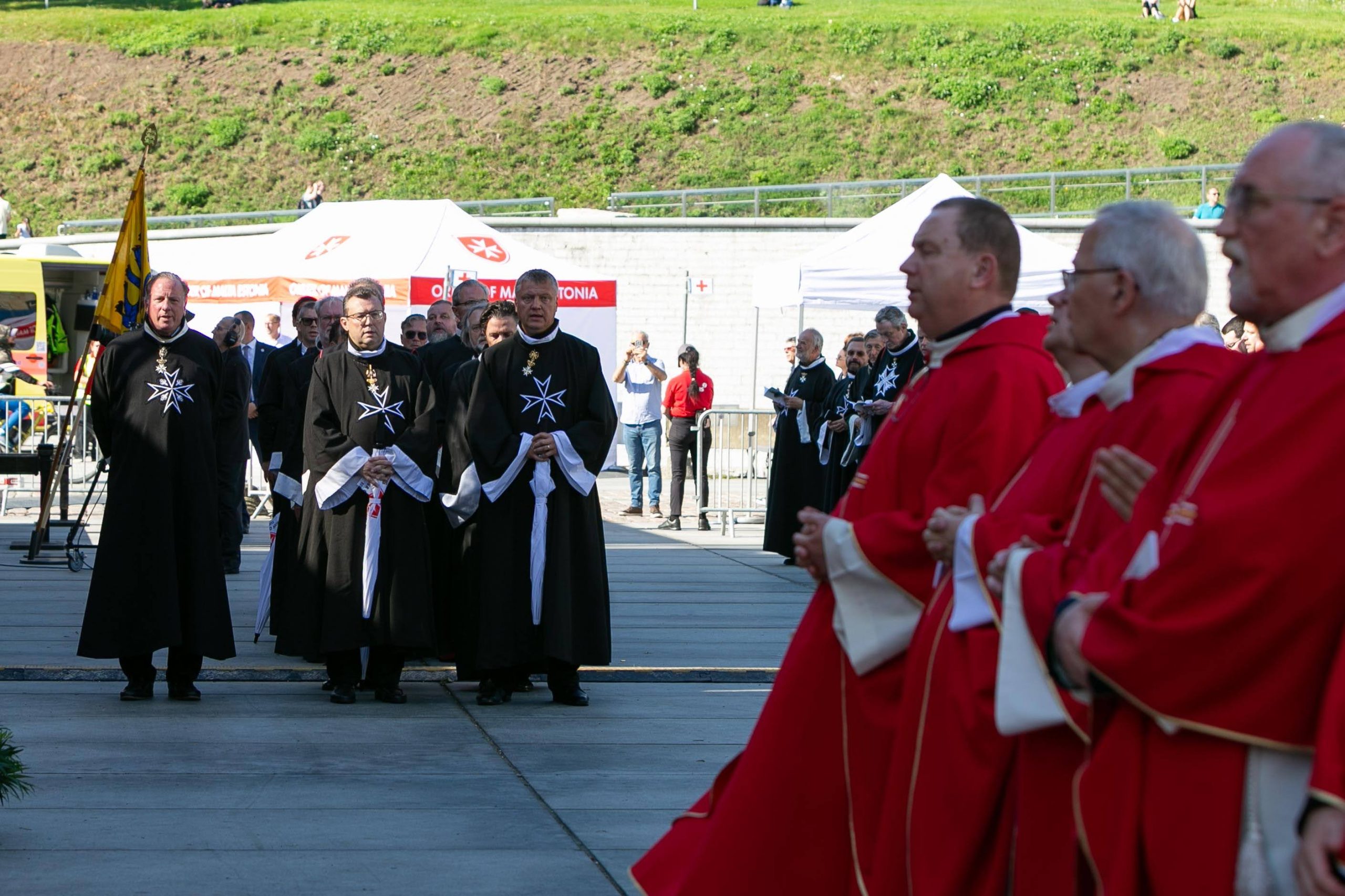
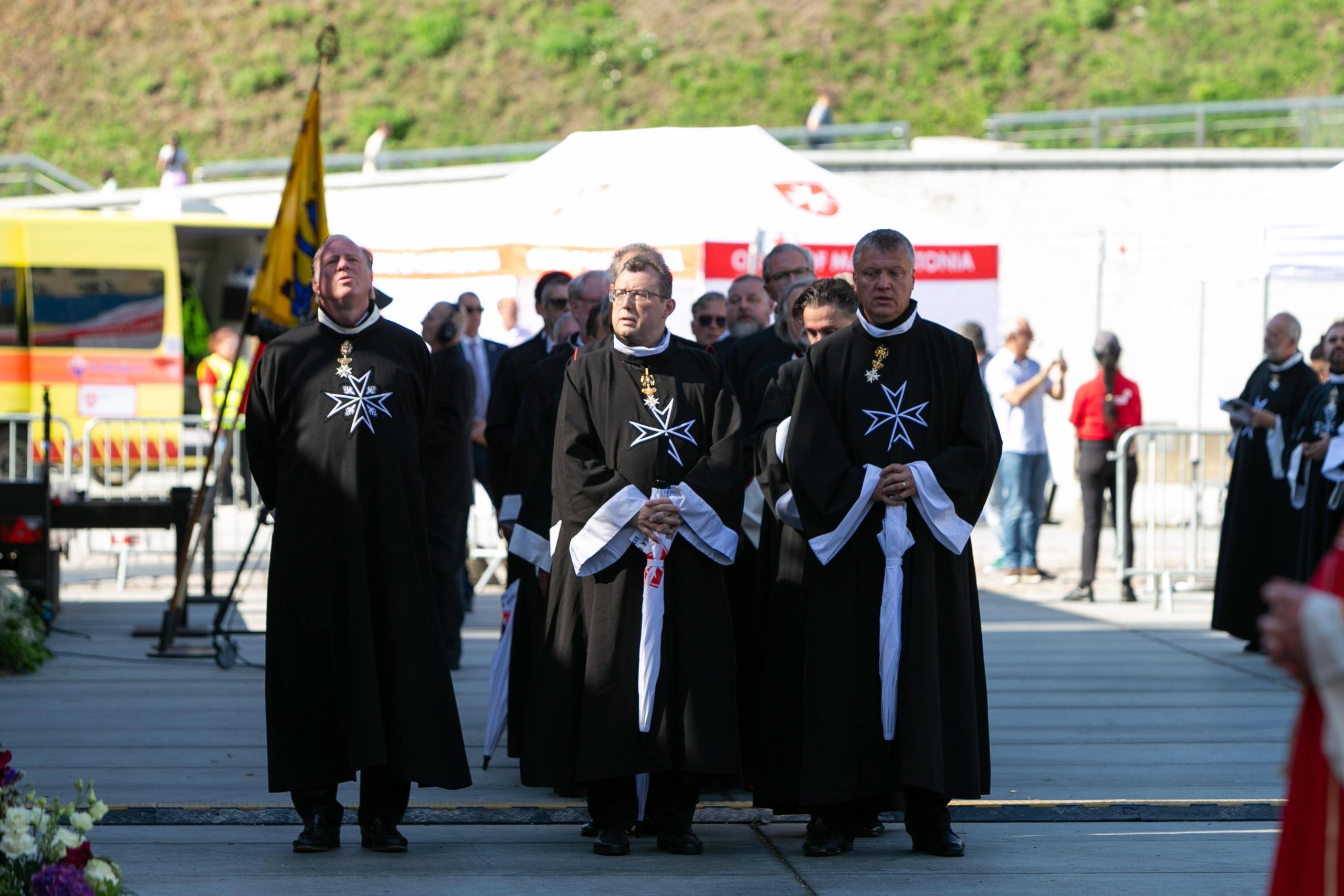
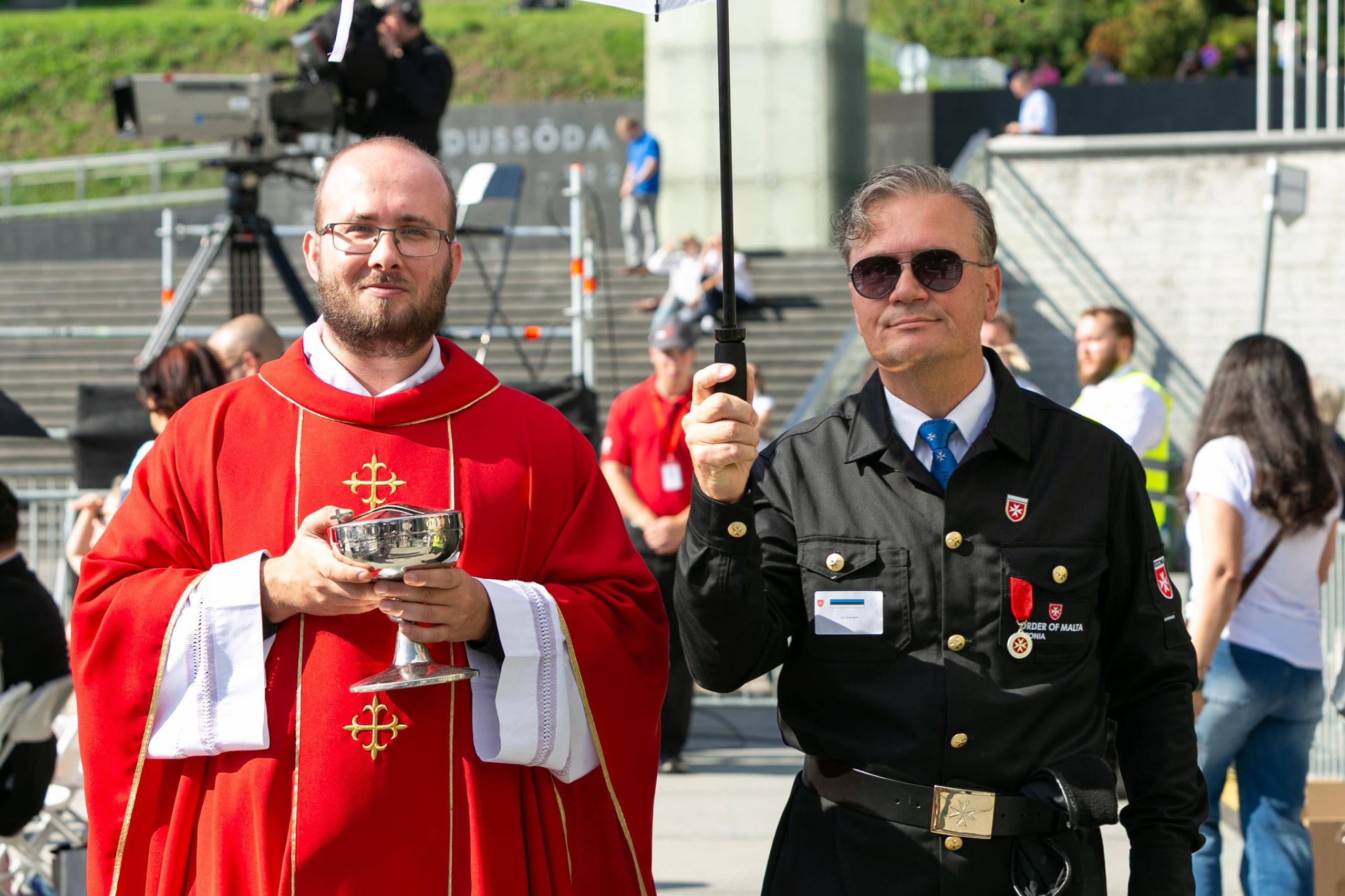
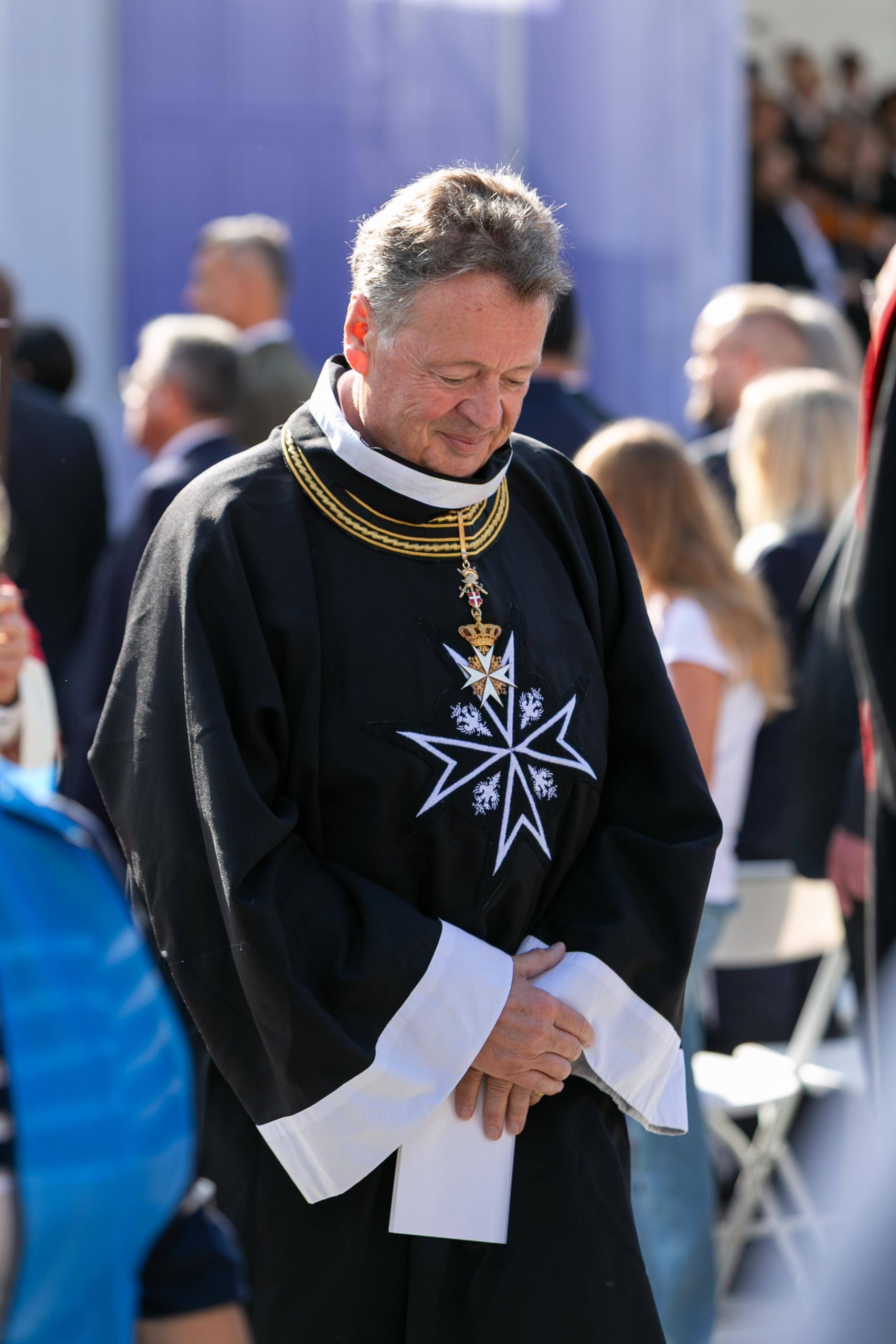
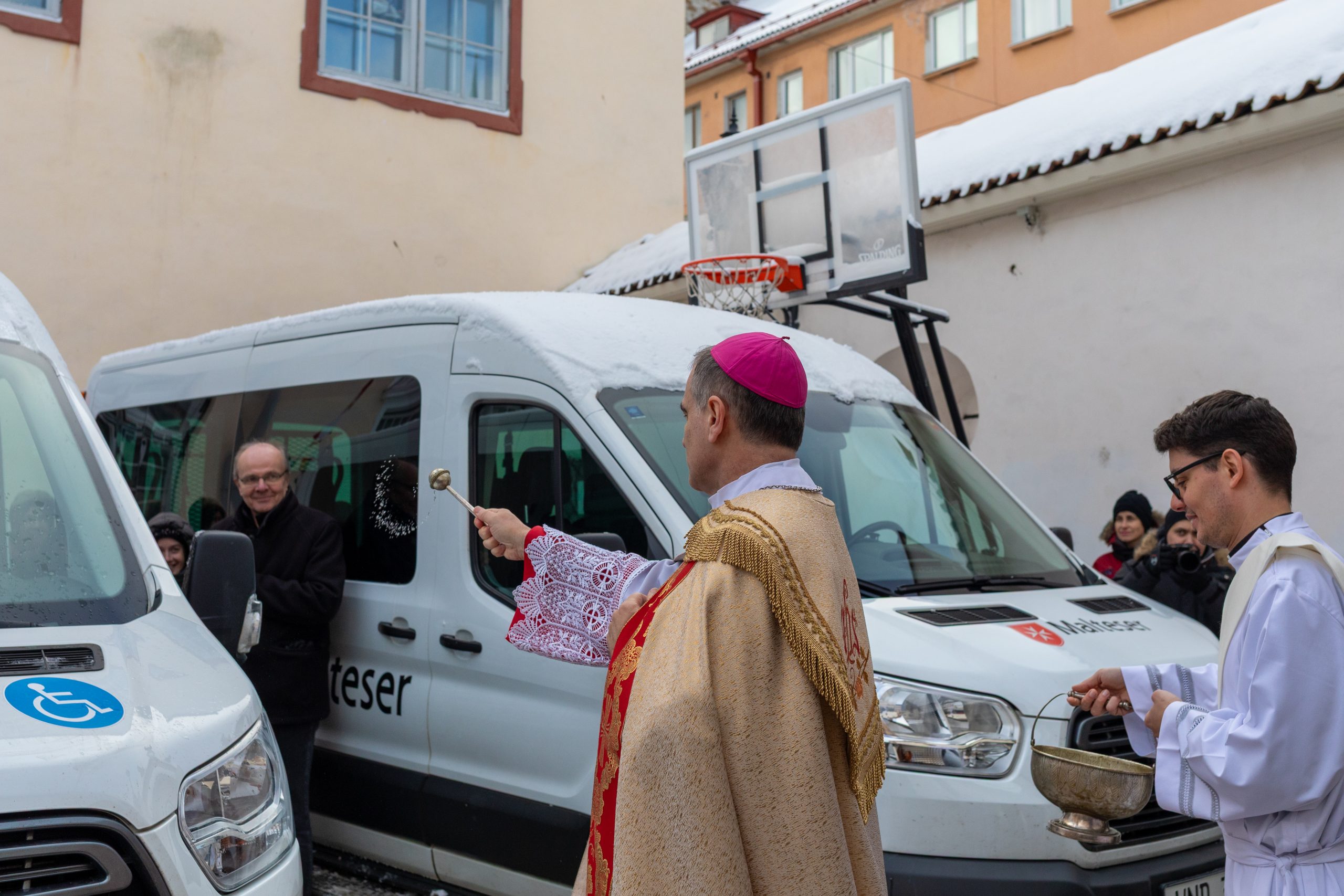
More than 30 knights of the Sovereign Military Order of Malta from Estonia, Austria, Germany, Lithuania, and Sweden were present at the beatification Mass. H.E. Mag. Manfred Leo Mautner Markhof, the Ambassador of the Sovereign Order of Malta was on of the major supporters of the beatification, providing significant assistance with logistics, as well as with the reception and hosting of guests.
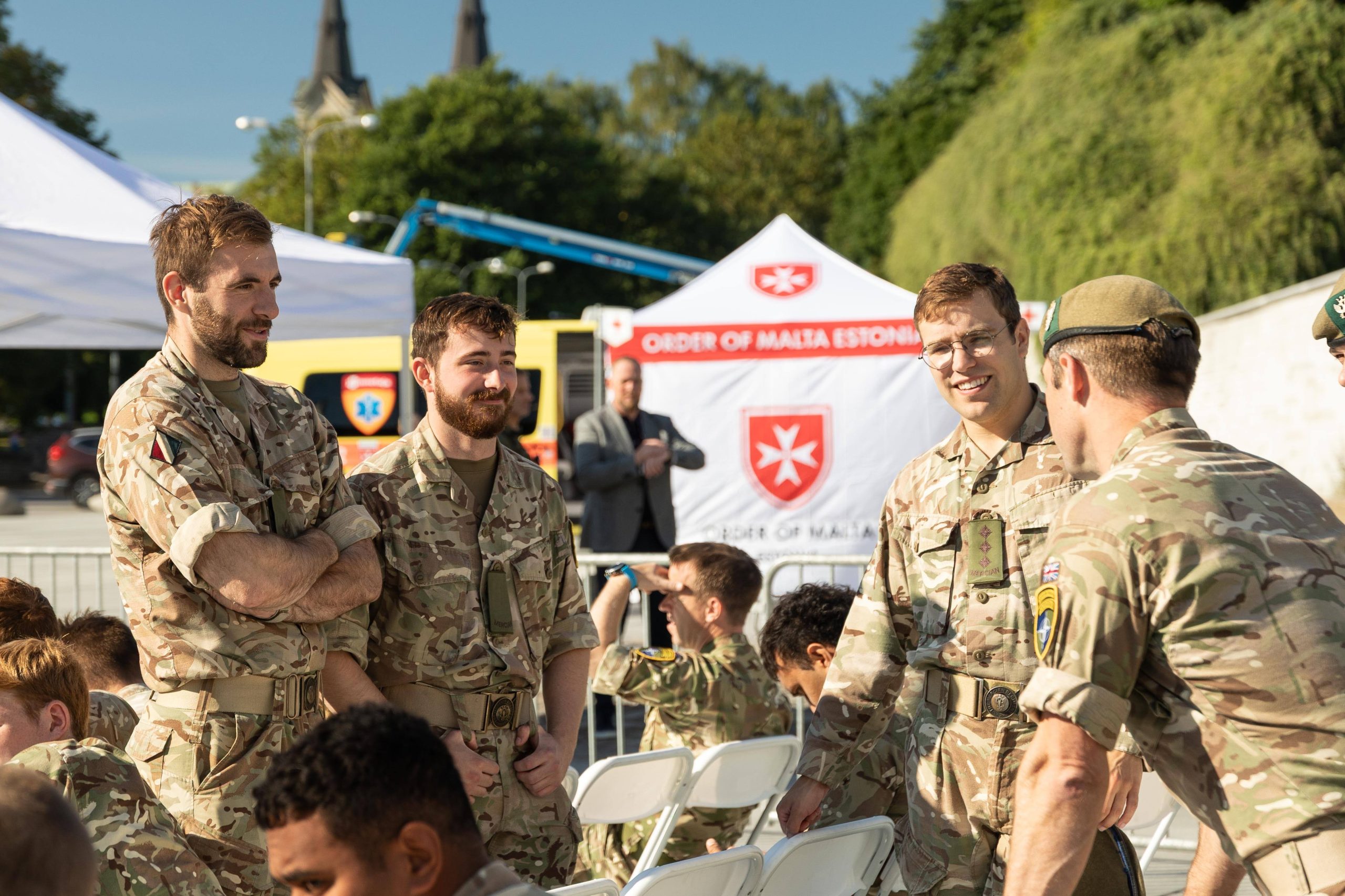
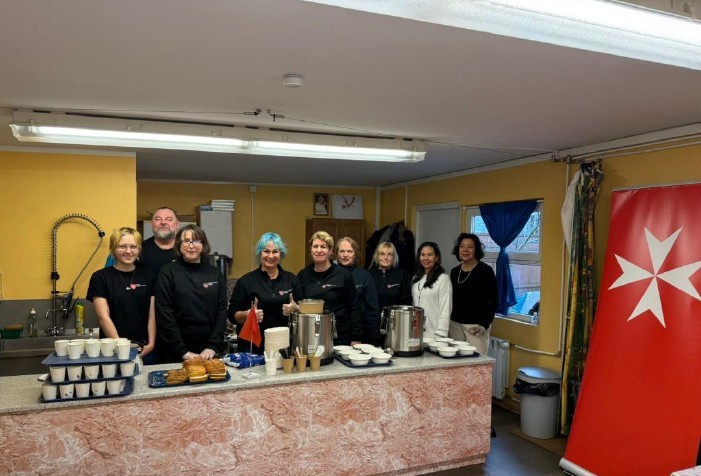
The volunteers of OMRO Estonia also made a substantial contribution, dedicating more than 450 working hours to preparation and organizational efforts. Their committed and service-oriented presence greatly contributed to the solemnity and smooth conduct of the beatification celebration.